

If you ride, you already speak the language.
No translator needed. No manual required. The flick of an elbow, the nod at the front, the pull-through at 42km/h — cycling has a language older than any brand, spoken on every road, in every country, by every rider who's ever clipped in.
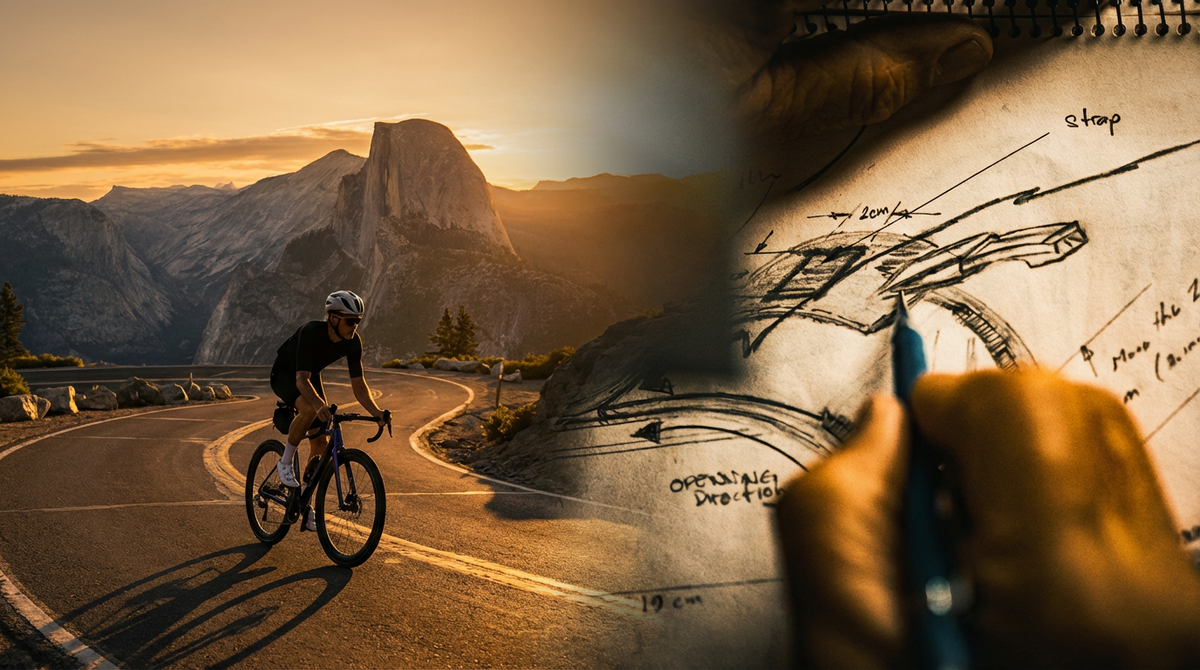
No one teaches this. Every cyclist knows it.
There's no certification. No guidebook. You learn it by riding — and the moment you know it, you belong to a culture that spans every continent, every language, every road on earth.
These aren't rules anyone wrote down. They're earned by riding. And once you know them, you're part of something bigger than any single road, any single country, any single language.
Same signals. Same suffering. Same joy.
It doesn't matter if you're climbing Ventoux, grinding gravel outside Girona, riding the lakefront in Chicago, or doing loops through Tokyo at dawn. The problems are the same everywhere — bulging pockets, scattered gear, fumbling for food at 35km/h.
Cycling is the most universal sport on earth. The bike doesn't care about your passport, your language, or your kit sponsor. The road treats everyone the same.
For riders who know the difference between a coffee ride and a training ride before they clip in — and gear up accordingly. Not defined by category, speed, or spend. Defined by intention.


No stage is above another.
We drew the line flat on purpose. A Spark rider loading a handlebar bag for a first century and a Local Elite taping bars for a crit are both doing it right. We build gear for both of them.
Different rider. Same standard.
Pick any two stages. The gear changes. The engineering standard does not. A handlebar bag at Stage 1 gets the same material research as a skinsuit at Stage 9.